Things to Do in Ivory Coast in January
January weather, activities, events & insider tips
Shoulder Season · Good Value
January Weather in Ivory Coast
Long-run averages for January in Abidjan
86°F (30°C)
High Temp
74°F (23°C)
Low Temp
0.6 inches (15 mm)
Rainfall
84%
Humidity
9
Sunny-Day UV
⚠ Harmattan winds carry fine Saharan dust south through January, reducing air quality and visibility across Ivory Coast, most noticeably in the northern half of the country around Korhogo and Bouaké. Travelers with asthma or respiratory sensitivities should carry inhalers and medication. They may want to limit time in the interior. In Abidjan the effect is milder but still shows as a persistent whitish haze. This can irritate throats and eyes over multi-day exposure. Pack eye drops.
Making the most of January in Ivory Coast? Browse tours and activities in Ivory Coast on GetYourGuide.
Is January Right for You?
Weigh the advantages and considerations before booking
Advantages
- + January is Ivory Coast's driest month. Abidjan records a scant 15 mm (0.6 inches) of rain on average. The laterite roads inland firm up after months of downpour. Destinations like the stilt village of Tiagba on Lac Tadio and the Dan highlands around Man become reliably accessible by road. This is the first time since May.
- + Morning temperatures sit around 23°C (74°F) in Abidjan. Cool enough for an early walk along the Corniche du Plateau or through the canopy trails of Banco National Park. The air feels pleasant rather than punishing. Afternoons top out near 30°C (86°F). Warm, yes. But not the suffocating oven of March and April.
- + The coast from Grand-Bassam east to Assinie-Mafia reaches its calmest water conditions. Warm surf and a soft onshore breeze make long beach days comfortable. This is prime season for lagoon pirogue trips. Waterside maquis dining draws smoke from grilled capitaine drifting across the sand.
- + Dry-season timing coincides with traditional mask ceremonies. Cultural gatherings happen in the western forest regions. These events follow community schedules, not tourist calendars. January visitors get a real window into Dan, Wè, and Guéré traditions. Worth planning around.
Considerations
- − The harmattan wind pushes fine Saharan dust southward through December and January. Abidjan gets a milder dose than cities further north like Korhogo or Bouaké. You will still notice a persistent haze. It flattens afternoon light and can leave your throat raw by evening. Photographers will find the sky washed out more days than not.
- − January is peak dry season. Accommodation along the Assinie coast and in Grand-Bassam books up faster than you might expect. Weekends are worst. Abidjan's middle class decamps to the beach. Rates climb accordingly. Last-minute availability shrinks. Book early.
- − Despite negligible rainfall, coastal humidity hovers stubbornly around 84% in Abidjan. You will sweat through your clothes by mid-morning. The dry season label promises little. That wet-heat combination saps energy faster than the temperature alone would suggest. Pack light fabrics.
Short on time in January? See day trips around Ivory Coast on GetYourGuide.
Best Activities in January
Top things to do during your visit
January sits at the heart of Ivory Coast's dry season. The shift from sodden May and June is dramatic. Average highs hover near 30 degrees Celsius, lows around 23, and the entire month sees a mere 15 millimetres of rain. The Harmattan wind drifts south from the Sahara. It presses a fine ochre haze over Abidjan's skyline. The equatorial sun softens just enough that mornings feel almost mild. Along the coast, the Atlantic stays warm. The lagoons around Abidjan turn opalescent green under dry-season light. This is the most comfortable window for travel across Ivory Coast. Laterite roads in the interior firm up. You can drive without incident. Outdoor dining in Abidjan's Cocody and Plateau districts stays pleasant well past sundown. Daily life in January tilts toward the open air. In Abidjan, smoky plumes of grilled alloco rise from roadside stalls by late afternoon. The caramelised plantain slices turn crisp outside, yielding within. Fish sellers at the Treichville market call out their catch in rapid Nouchi slang. The sharp tang of attiéké drifts from plastic basins stacked in pyramids. That fermented cassava couscous accompanies nearly every coastal meal. Outside the commercial capital, Yamoussoukro's wide presidential boulevards go quiet. The basilica dome catches dry-season light in a way the rainy months never permit. Grand-Bassam's colonial shopfronts stand salt-eaten and peeling against a shoreline where warm surf rolls in with a low, steady percussion. January is not a festival month in Ivory Coast. The weather and the ease of movement make it the season locals themselves choose for road trips between cities.

Découverte Bini Lagune
otherDécouverte Bini Lagune takes you by motorboat into the labyrinth of brackish channels behind Abidjan's southern suburbs. Stilted fishing villages rise above the waterline on weathered timber pylons. The engine cuts. You glide past women pounding foutou on wooden mortars at the water's edge. The rhythmic thud carries across the still surface. You step onto islands where palm wine tappers shinny up coconut trunks with nothing but a machete and a calabash. The sweet, yeasty smell of freshly drawn bandji fills the clearing.
It is the only way to see the lagoon communities that exist entirely on water, invisible from Abidjan's highways yet thriving minutes from the city centre.
Insider tip: Sit on the left side of the boat heading out for the best angle on the stilt villages, and bring a light windbreaker because the boat speed generates a cool rush of air even in the midday heat.
This month: January's negligible rainfall keeps the lagoon calm and visibility sharp, unlike the churned, rain-swollen waters of June.

Abidjan Walking Tour (French and English)
walking_tourThe Abidjan Walking Tour covers the Plateau district on foot. It traces the sharp contrasts between the city's administrative core and its market alleys at ground level. Your guide leads you past the brutalist Cour Suprême. Its concrete fins cast geometric shadows onto the pavement. Then you descend into narrow lanes where tailors pedal Singer machines under corrugated iron awnings. The clatter of sewing competes with Coupé-Décalé blasting from phone speakers. The tour operates in both French and English. The guides are Abidjanais who navigate the city's social layers with an insider's authority. They stop to introduce you to a maquis owner or a fabric dyer whose indigo-stained hands tell their own story.
Walking Abidjan at street level, with a local narrator, collapses the distance between the glass towers of Plateau and the lived texture of the city in a way no taxi ride can.
Insider tip: Wear closed-toe shoes with good grip because the Plateau sidewalks have uneven concrete sections and market lanes can be slick with runoff from ice-cooled fish displays.

Alternative City Tour
guided_experienceThe Alternative City Tour deliberately skips Abidjan's postcard landmarks. It plunges instead into neighbourhoods most visitors never reach. You ride through Abobo's dense residential blocks. The smell of charcoal-grilled garba wafts from every third corner, tuna flaked over attiéké and dusted with ground pepper. The tour threads through Adjamé's large gare routière, where battered minibuses idle in clouds of diesel. It moves into Yopougon, the working-class commune where Zouglou music was born. Open-air maquis there serve braised chicken with a kick of scotch bonnet that lingers on the tongue.
It delivers the Abidjan that nine out of ten visitors miss entirely, the city as its six million residents inhabit it.
Insider tip: Bring a small amount of local currency in low denominations because the street food stops along the route are cash-only, and the garba in Adjamé is exceptional.

Private Tour of Abidjan
private_tourThe Private Tour of Abidjan builds an itinerary around your own interests. The vehicle and guide are dedicated to your party alone. The pace adjusts. Detours happen on the spot. A typical route might sweep from the gleaming towers of Cocody, where the Hôtel Ivoire's mid-century silhouette still dominates the skyline, across the Pont Houphouët-Boigny with its view of cargo ships anchored in the Ébrié Lagoon, and into the dense commercial energy of Treichville. There, bolts of wax-print fabric are stacked floor to ceiling in narrow shops. The air is thick with the warm, resinous scent of shea butter. The privacy allows the guide to pause where a group tour would not, whether that is a roadside palm wine bar or a quiet mosque courtyard in Williamsville.
For travellers who want depth rather than breadth, the private format lets you spend an unhurried hour in a single neighbourhood rather than racing past a checklist.
Insider tip: Ask your guide to include a stop at the Marché de Cocody artisan section late in the tour, when vendors are more willing to explain their craft and the afternoon light is best for photographing the carved masks and bronze work.

1.5-Hours Basilica and Yamoussoukro Tour with English Guide
guided_experienceThe Basilica and Yamoussoukro Tour takes you inside Our Lady of Peace. It is the largest basilica in the world by some measures, a colossal dome and colonnade rising out of the red laterite plain some 240 kilometres north of Abidjan. Standing in the nave, the hush is total. The stained-glass panels throw pools of sapphire and emerald across the marble floor in the late-morning sun. Your English-speaking guide walks you through the political story behind the structure, built by Ivory Coast's first president in his home village, and out onto the esplanade where the scale of the thing finally registers against the low savanna horizon.
No photograph prepares you for the sheer improbability of this building, a Vatican-scaled basilica set in a West African town where goats graze on the median strips.
Insider tip: The interior is air-conditioned, which makes the temperature contrast with the outside heat startling, so carry a light layer and give your eyes a minute to adjust to the dim light before trying to take in the stained glass.
This month: January's dry Harmattan haze can diffuse the light inside the basilica, giving the stained glass a softer glow than the sharper contrasts of the wet season.

Abidjan and Grand Bassam A Tour of Two Cities
guided_experienceAbidjan and Grand-Bassam: A Tour of Two Cities pairs the commercial roar of Ivory Coast's economic capital with the haunted colonial quiet of Grand-Bassam, a UNESCO World Heritage site some 40 kilometres east along the coast. In Abidjan, you absorb the vertical energy of the Plateau skyline and the lagoon-edge bustle. In Grand-Bassam, you walk streets of French colonial buildings with shuttered windows and faded ochre plaster. The sound of surf is audible between the structures. The salt-heavy breeze carries the faint sweetness of coconut husks drying in the sun. The contrast is the point. Ivory Coast's present tense sits against the physical remnants of its colonial chapter, with a guide who draws the line between the two.
Grand-Bassam's seafront colonial quarter, slowly being reclaimed by weather and vegetation, is one of the most atmospheric heritage sites in West Africa, and pairing it with Abidjan in a single day sharpens both experiences.
Insider tip: Save Grand-Bassam for the afternoon leg so you can walk the beachfront as the light turns golden, and stop at one of the seafood shacks on the sand where grilled crevettes are served with attiéké and a sharp chilli sauce.
This month: January's dry conditions mean the unpaved lanes of Grand-Bassam's old quarter are firm and walkable, unlike the muddy stretches that form during the heavy rains of May and June.
Where to Stay in Ivory Coast in January
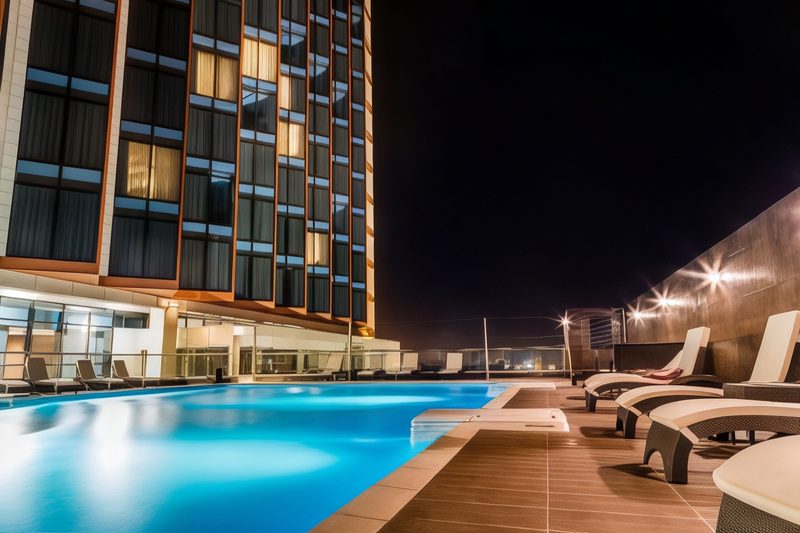
Hand-picked hotels across price tiers for January travellers.
Public Holidays in January
Dates that affect opening hours, transport and crowds
New Year's Day
Observed nationwide as a public holiday.
New Year's Day
Observed nationwide as a public holiday.
Packing Checklist
Bookmark this page — your progress is saved between visits
Need the full list with shopping links?
Climate-specific gear, brand recommendations, and what to leave at home.
View Ivory Coast Packing List →Essential Tips
Insider knowledge and common pitfalls to avoid
Insider Knowledge
The maquis is Ivory Coast's defining social institution, open-air restaurants, usually just plastic tables under a corrugated roof with a charcoal grill going full blast, where the food is Ivorian comfort cooking at its most direct. Poisson braisé (whole tilapia or capitaine rubbed with a paste of ginger, garlic, and scotch bonnet, then grilled until the skin blisters) and alloco (thick-cut plantain fried until the edges caramelize, served with a raw chili sauce) are the standards, and they tend to be better at the scruffier-looking places than at anywhere with a printed menu. In January, maquis stay open later because dry weather makes outdoor seating reliable, and weekend evenings in Yopougon and Marcory turn into neighbourhood-wide eating and drinking sessions that run well past midnight. Go local.
French is essential. Ivory Coast is Francophone to its core, and outside international hotels and a handful of tour operators, English is rarely spoken. Even basic phrases, greetings, numbers, 'je voudrais,' 'combien,' transform market interactions and shared taxi rides from awkward pointing into real exchange. Download an offline translation app before you arrive. Mobile data coverage is good in Abidjan but spotty once you leave the city. Learn the basics.
Ivory Coast requires a visa for most nationalities, obtainable as an e-visa before departure. Processing tends to take several business days, so apply at least two weeks before your trip. You will also need a valid yellow fever vaccination certificate, which is checked at immigration without exception. Travelers without it have been turned back or vaccinated on arrival. January's status as peak season does not seem to slow processing times. But leaving it to the last week is a gamble not worth taking. Apply early.
Safety in Ivory Coast has improved considerably since the political instability of the early 2010s, and Abidjan is generally safe for visitors exercising standard urban awareness. The Plateau business district and Cocody residential areas are comfortable day and night. Treichville and Adjamé are fine during daylight but benefit from local company after dark. Use radio taxis or ride-hailing apps rather than flagging unmarked cars. Keep a photocopy of your passport in a separate pocket. Know that police checkpoints are routine and not hostile. Officers expect to see identification. A smile goes a long way.
Avoid These Mistakes
Treating the harmattan as a minor inconvenience and packing no throat or eye protection. In the northern half of the country around Bouaké and Korhogo, the dust can coat the inside of your nostrils and leave your eyes gritty by evening. Even in Abidjan, contact lens wearers tend to struggle without rewetting drops. Cameras with interchangeable lenses need extra care during lens changes to keep dust off the sensor. Pack protection. Your eyes will thank you.
Spending the entire trip in Abidjan and treating it as a city break. Abidjan is compelling for two or three days. But Ivory Coast's most distinctive draws require leaving the capital. The lagoon stilt villages, Grand-Bassam's weathered heritage quarter, the forested western highlands, and the Assinie coastline all sit beyond the city limits. January's firm roads make these excursions practical. Skip them and you miss what makes the country different from other West African capitals.
Drinking tap water or eating unwashed raw produce from market stalls. Stomach illness is the most common health setback for visitors, and January's lower rainfall does not make the water supply any safer. Stick to bottled or filtered water. Choose cooked food from busy stalls where turnover is high. Peel your own fruit. The garba stalls are generally safe because the attiéké is fermented and the tuna is deep-fried at high heat. Raw salads remain a risk even at upmarket restaurants.
Ready to plan your trip to Ivory Coast?
Now that you've got the research covered, here's where to go next.
Explore More Activities in Ivory Coast
Didn't see anything interesting yet?
Browse Viator's full catalog of tours, day trips, food experiences, and private guides in Ivory Coast.
See All Ivory Coast Tours on Viator